
Incell vs Hard OLED vs Soft OLED: Which iPhone Replacement Screen Should You Use?
· 2 min read
In short
For OLED iPhones (X and newer), a soft OLED or genuine pulled/refurbished OLED looks closest to the original. Incell LCDs are the cheapest option but are thicker, use more battery and lose the deep blacks of OLED. Hard OLED sits in between.
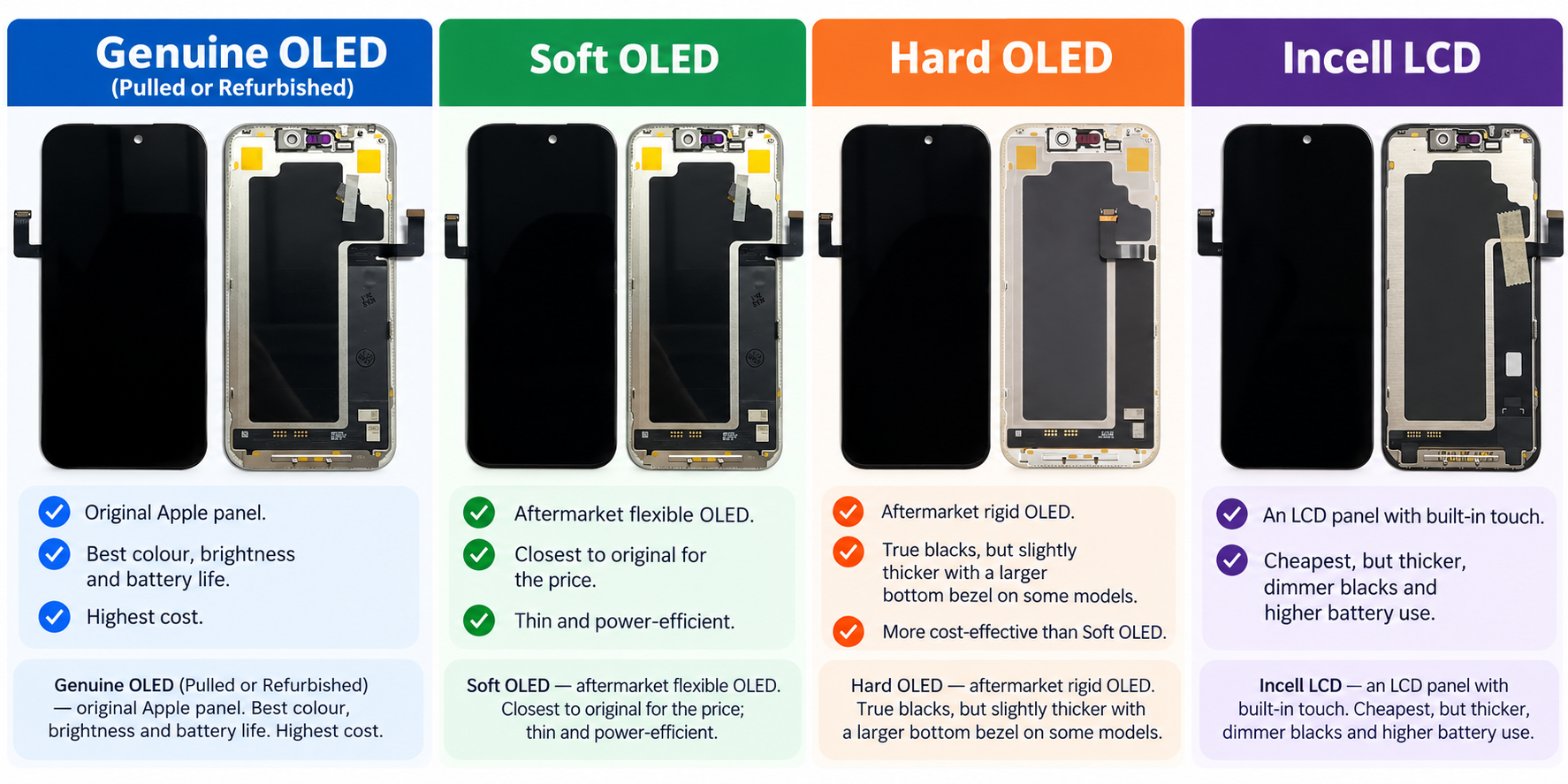
Every iPhone from the iPhone X onwards (except the XR and 11) ships with an OLED display. When that screen breaks, you have four realistic replacement options — and the one you pick decides how happy your customer is with the repair.
The short version
- Genuine OLED (Pulled or Refurbished) — original Apple panel. Best colour, brightness and battery life. Highest cost.
- Soft OLED — aftermarket flexible OLED. Closest to original for the price; thin and power-efficient.
- Hard OLED — aftermarket rigid OLED. True blacks, but slightly thicker with a larger bottom bezel on some models.
- Incell LCD — an LCD panel with built-in touch. Cheapest, but thicker, dimmer blacks and higher battery use.
See our Quality Grading Guide for how we grade every part.
Incell LCD screens
An Incell screen replaces the OLED panel with an LCD that has the touch layer built into the display. Because an LCD needs a backlight, blacks look grey rather than truly black, the screen is a little thicker, and battery life is usually shorter than with OLED.
Incell is a sensible choice when the customer's priority is the lowest price — for example an older phone they plan to sell or hand down. We also stock HD Plus LCDs, an improved LCD option with better clarity than standard Incell.
Hard OLED vs Soft OLED
Both are aftermarket OLED panels, so they keep the deep blacks and lower power use of the original technology.
- Hard OLED uses a rigid panel. It is cheaper, but the bottom edge of the display can be slightly wider and the assembly a little thicker than the original.
- Soft OLED uses a flexible panel like Apple's own. It matches the original's thickness and bezel more closely and is the best aftermarket option for most repairs.
Genuine OLED: Pulled and Refurbished
If the customer wants the original look, a genuine panel is the answer:
- Pulled — an original screen taken from a working phone. Original display quality, possible light cosmetic wear.
- Refurbished — an original display panel rebuilt with new front glass. Original image quality at a lower price than a new genuine screen.
Which one should your shop stock?
- Soft OLED as your default for most customers.
- Incell / HD Plus for price-sensitive repairs.
- Pulled or Refurbished OLED for premium customers and newer models.
Offering two or three options at the counter, with the trade-offs explained in one sentence each, usually lifts the average repair value.
Parts for this repair
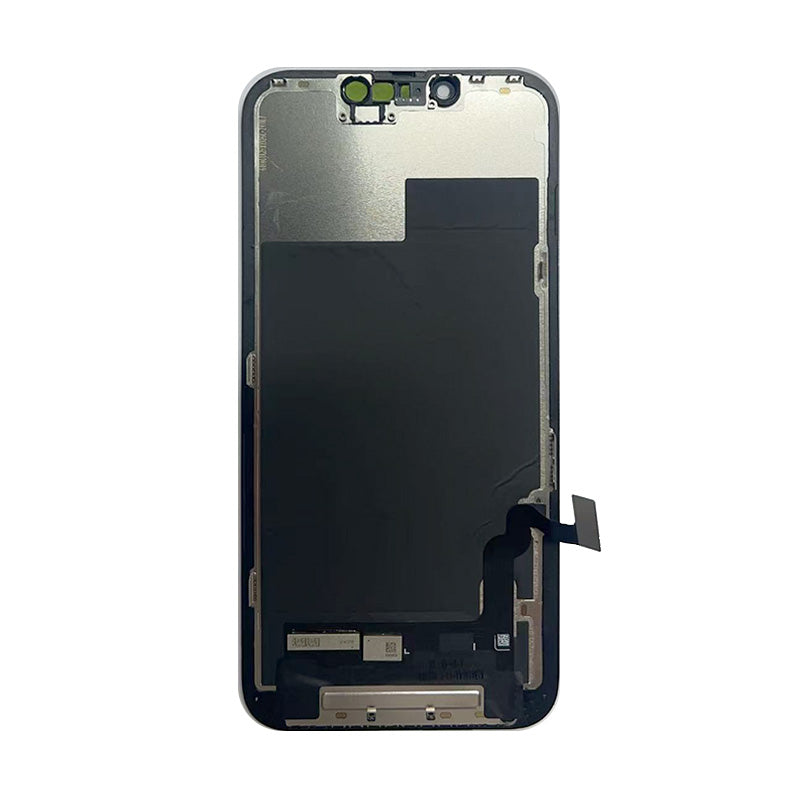
LCD Screen for iPhone 13 (HD Plus)
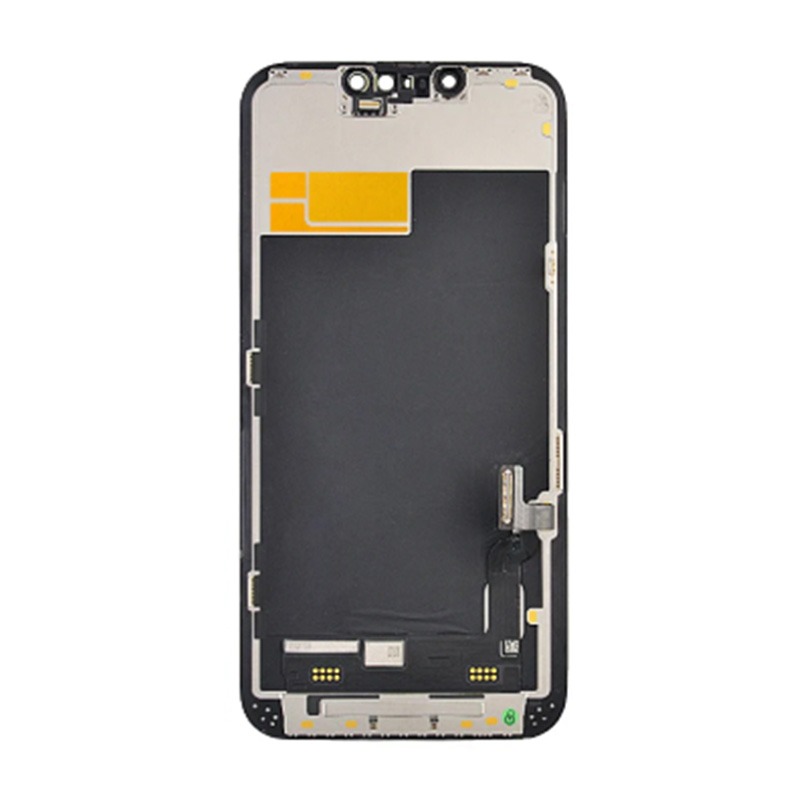
OLED Screen for iPhone 13 (Pulled)
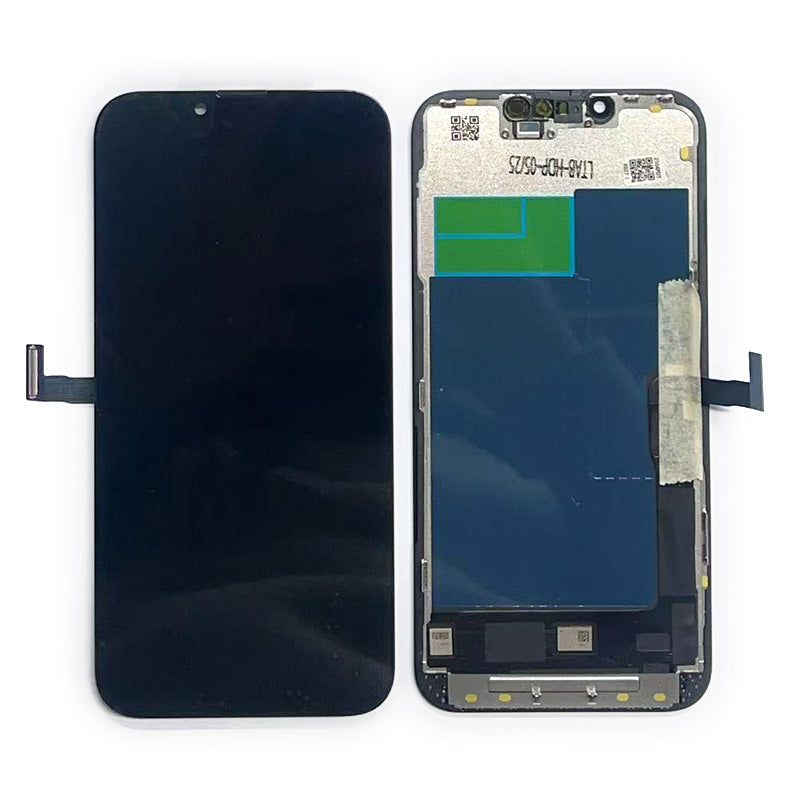
LCD Screen for iPhone 13Pro (HD Plus)
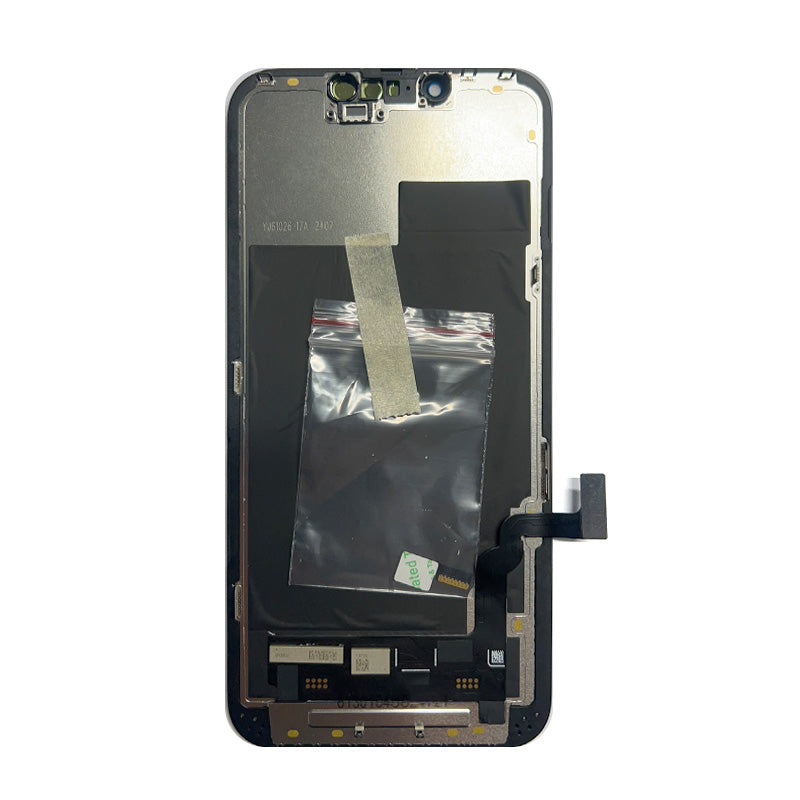
LCD Screen for iPhone 13 (Best Incell)
LCD Screen for iPhone 13Mini (HD Plus)
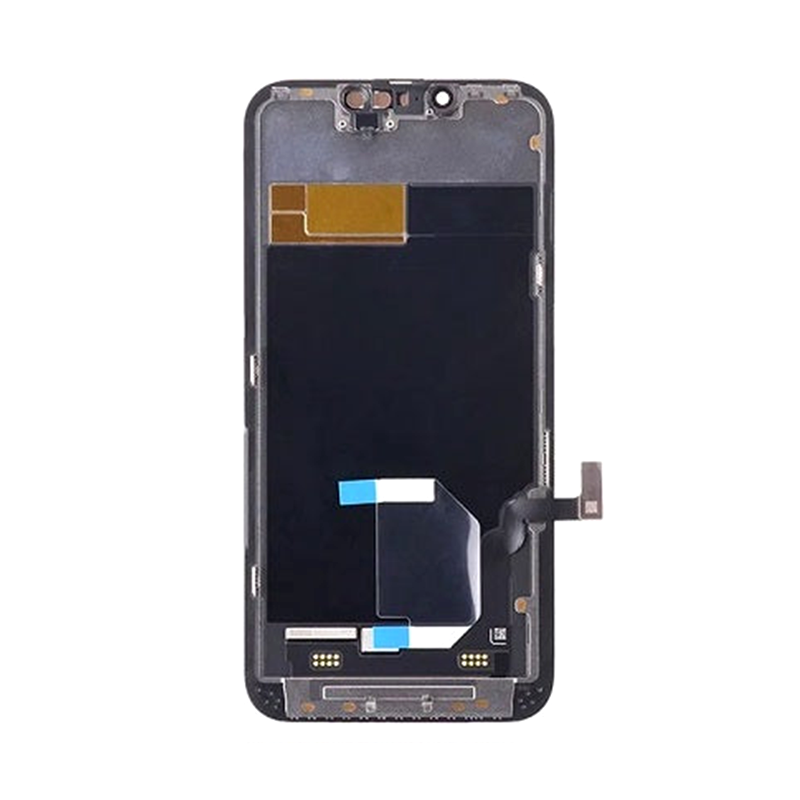
OLED Screen for iPhone 13 (Refurbished)
Frequently asked questions
More repair guides
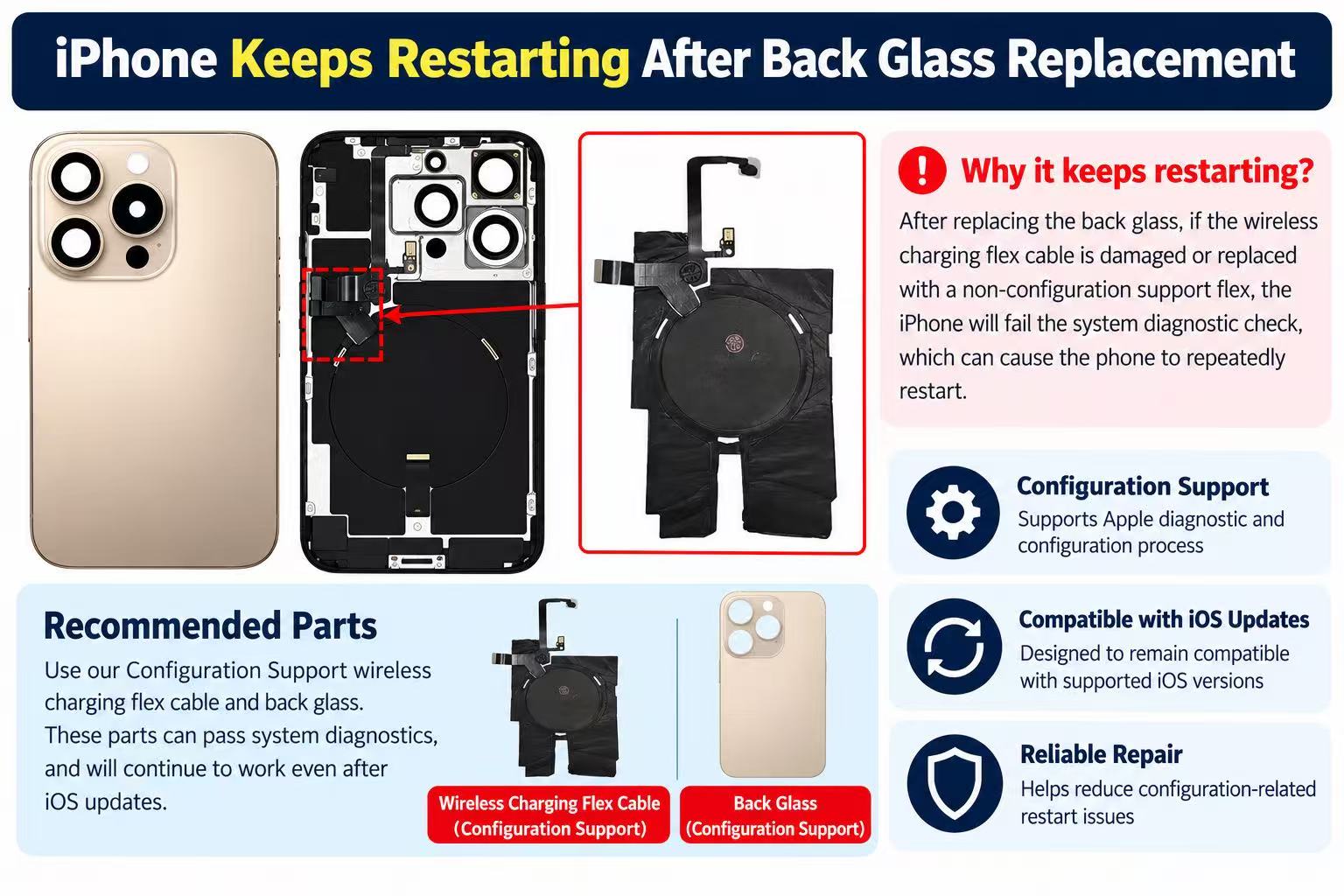
iphone · back glass
Why iPhones keep restarting after back glass or wireless charging flex replacement?
iPhone keep restarting every 2 - 3 minutes after back glass or wireless charging flex replaced?
21 October 2026· Easy· 20 min
samsung · z flip
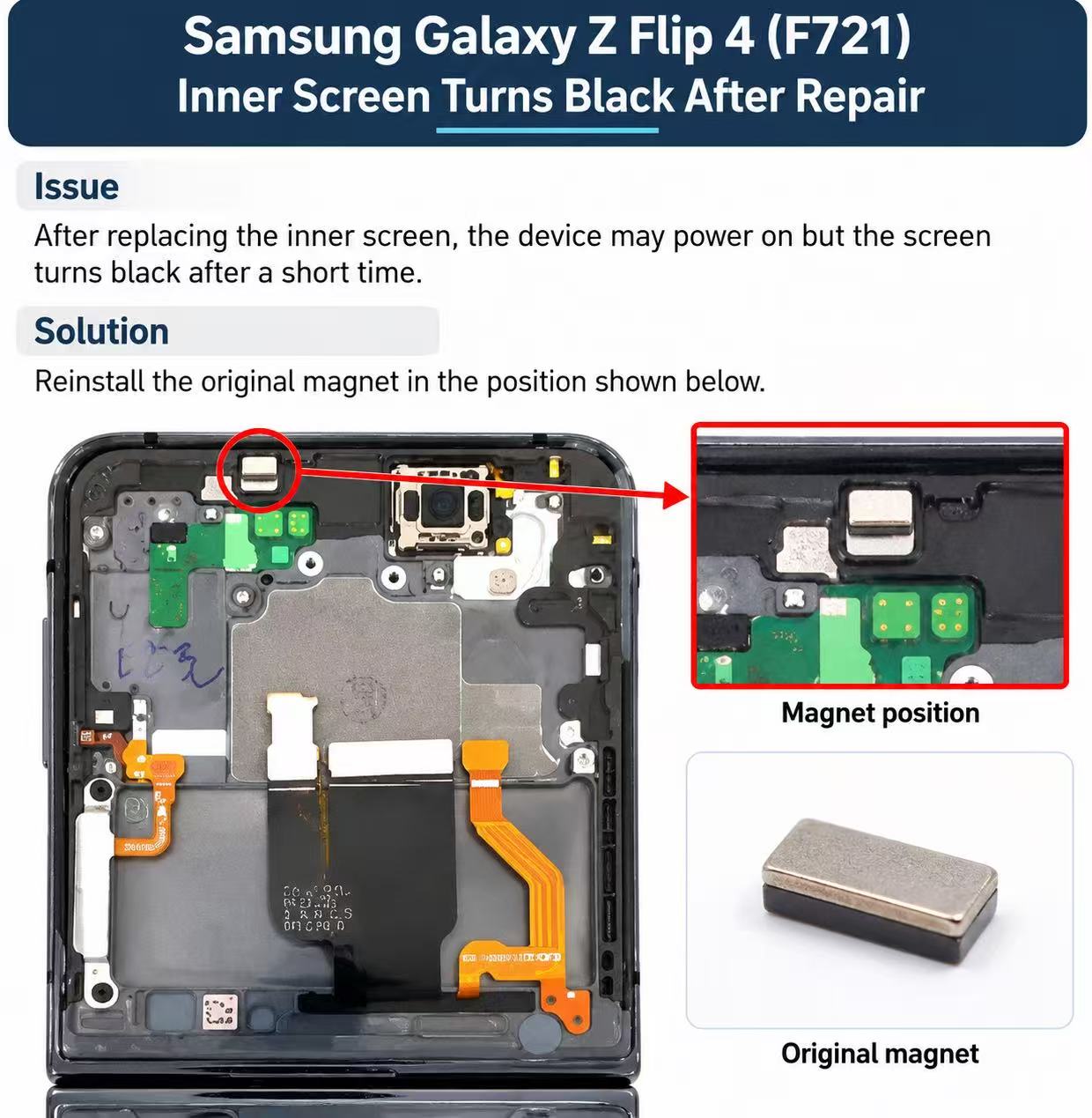
Samsung Galaxy Z Flip 4 (F721) - Black Screen Repair Guide
After replacing the inner screen, the device may power on but the screen turns black after a short time.
21 October 2026· Easy· 5 min
samsung · z fold
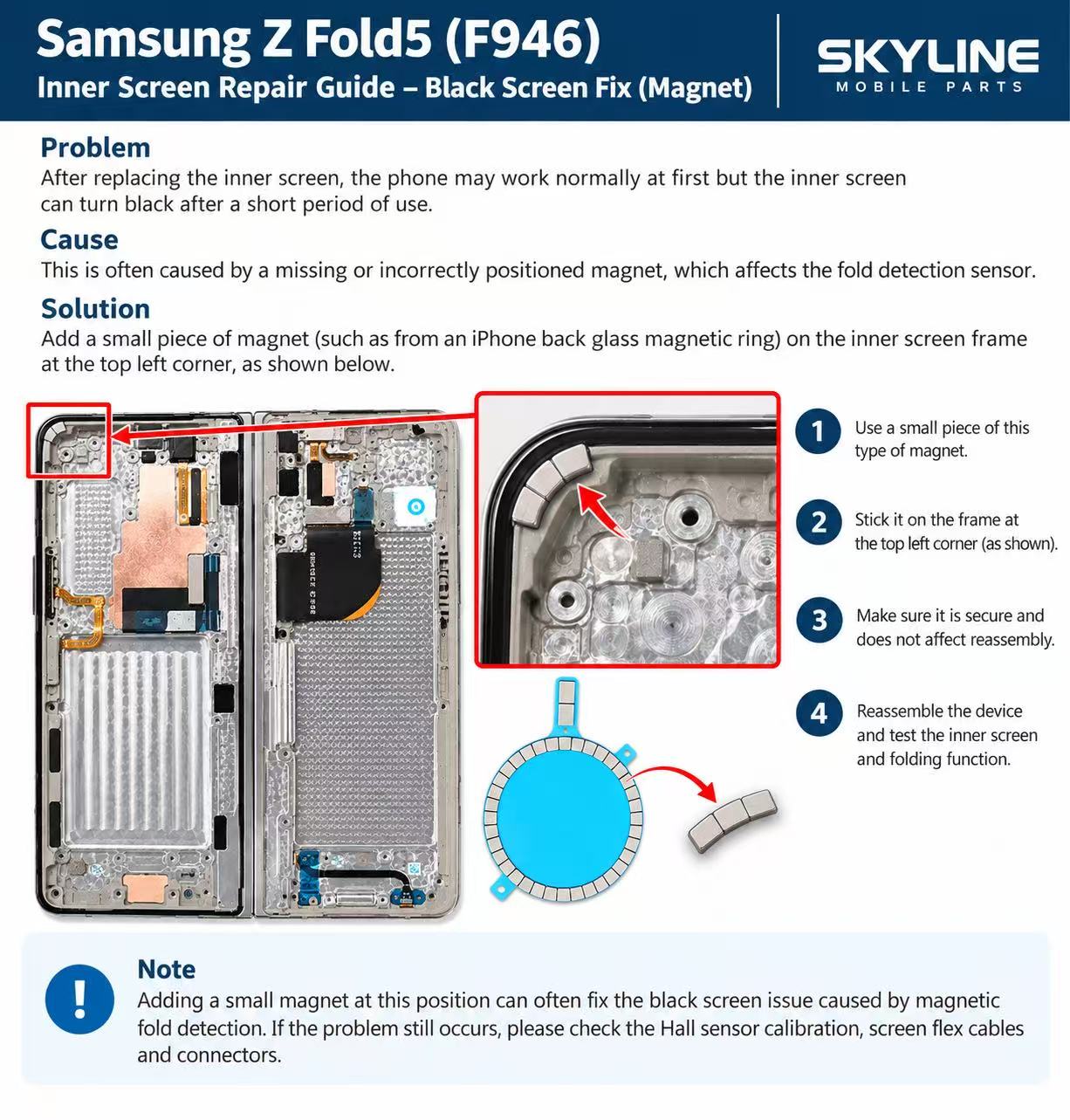
How to Fix a Samsung Z Fold 5 (F946) Inner Screen Going Black After Replacement
If a Galaxy Z Fold 5 (F946) inner screen works at first and then turns black after a replacement, the fold-detection magnet is usually missing or out of position. Stick a small magnet on the inner screen frame at the top-left corner, then reassemble and test the inner screen and folding.
20 October 2026· Easy· 15 min